
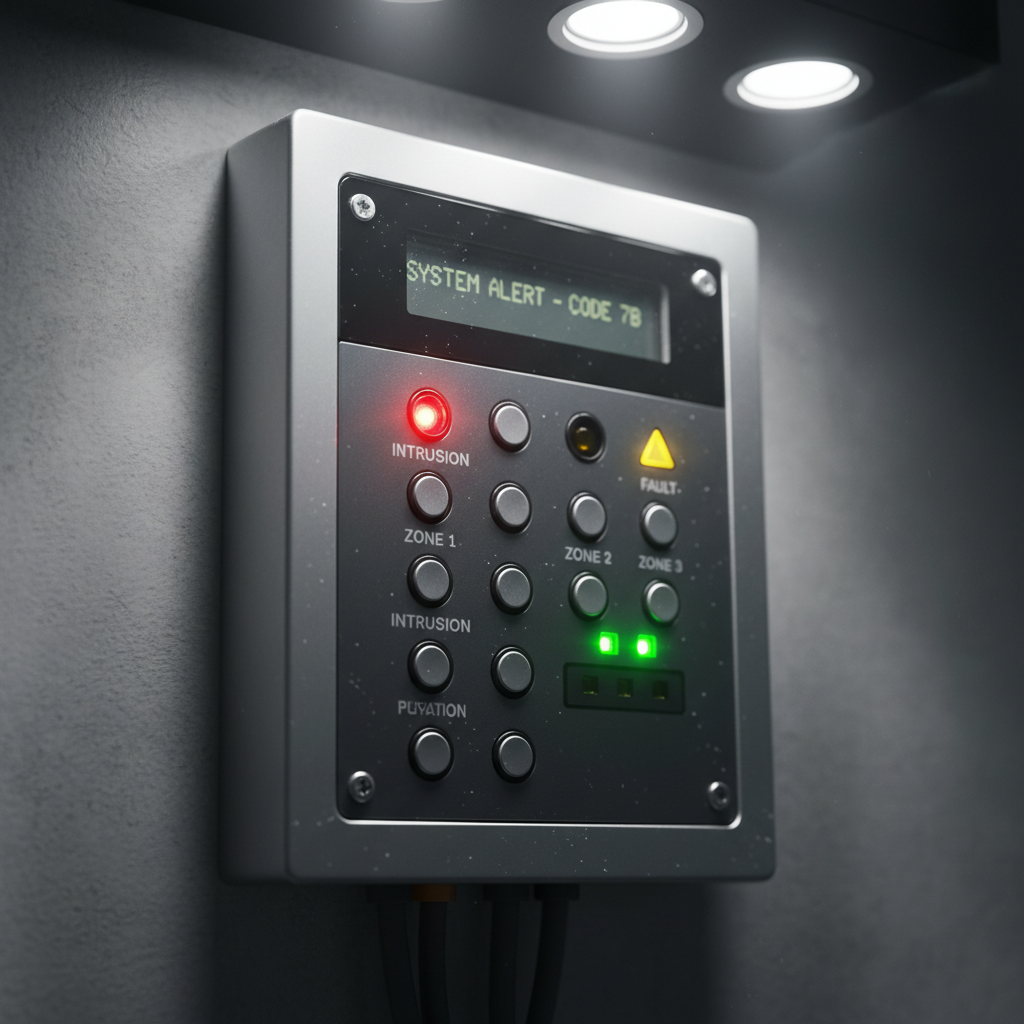
Alarm response and keyholding are closely related security services, but they serve different purposes. Understanding the distinction helps you choose the right level of protection for your premises.
What is Alarm Response?
Alarm response is the service of attending your premises when an alarm activates. An alarm response operative is dispatched to investigate the cause of the activation, secure the site if necessary, and provide a written report.
Alarm response can be provided with or without keyholding. If you retain your own keys and simply want a professional to attend activations, that's alarm response only.
What is Keyholding?
Keyholding is the service of holding a secure copy of your keys. A keyholding provider stores your keys in a secure facility and can access your premises on your behalf at any time — not just during alarm activations.
Keyholding enables alarm response, but it also enables other services: lock and unlock, emergency access, contractor escort, and vacant property checks.
The Key Difference
The key difference is access. With alarm response only, the operative can attend your premises but cannot enter without you providing access. With keyholding, the operative can enter independently — which is essential for a genuine alarm response service.
In practice, most businesses that want alarm response also need keyholding. The two services are almost always purchased together.
Which Do You Need?
If you want a professional to respond to your alarm activations and investigate inside your premises, you need both keyholding and alarm response.
If you simply want someone to attend and observe from outside — perhaps to deter intruders or liaise with police — alarm response without keyholding may be sufficient.
For most commercial premises, the combination of keyholding and alarm response provides the most comprehensive protection.
Tags
Share this article